Industry Insights
Driving 2026: Trends Shaping Commercial, School, & Public Transportation
THE HIGHLIGHTS:
What are transportation trends in 2026?
Transportation trends in 2026 include strong commercial vehicle demand, evolving school bus electrification strategies, and increased digital transformation in public sector fleets.
At Model 1, we don’t just track these trends — we help you to navigate them, align decisions across the vehicle lifecycle, and build strategies that perform in real-world conditions.
So far, 2026 continues to be a transformative year across every transportation segment that Model 1 serves — from commercial vehicles in retail and service environments to school transportation fleets and public sector mobility solutions. Across the trade shows we’ve attended (and upcoming events) like Work Truck Week, Chauffeur Driven, and SWTA, several clear inflection points are emerging:
- Commercial vehicle demand remains robust in a freight and delivery environment characterized by higher freight rates and tightening capacity.
- Service-centric business models and telematics-driven operations are reshaping fleet strategies.
- School transportation is dealing with electrification uncertainty amid policy shifts and funding realignments.
- Public agencies are prioritizing digital transformation in operations, budgeting, and citizen services.
Below, we explore what’s trending, why it matters, and how Model 1’s partners and customers can harness these insights.
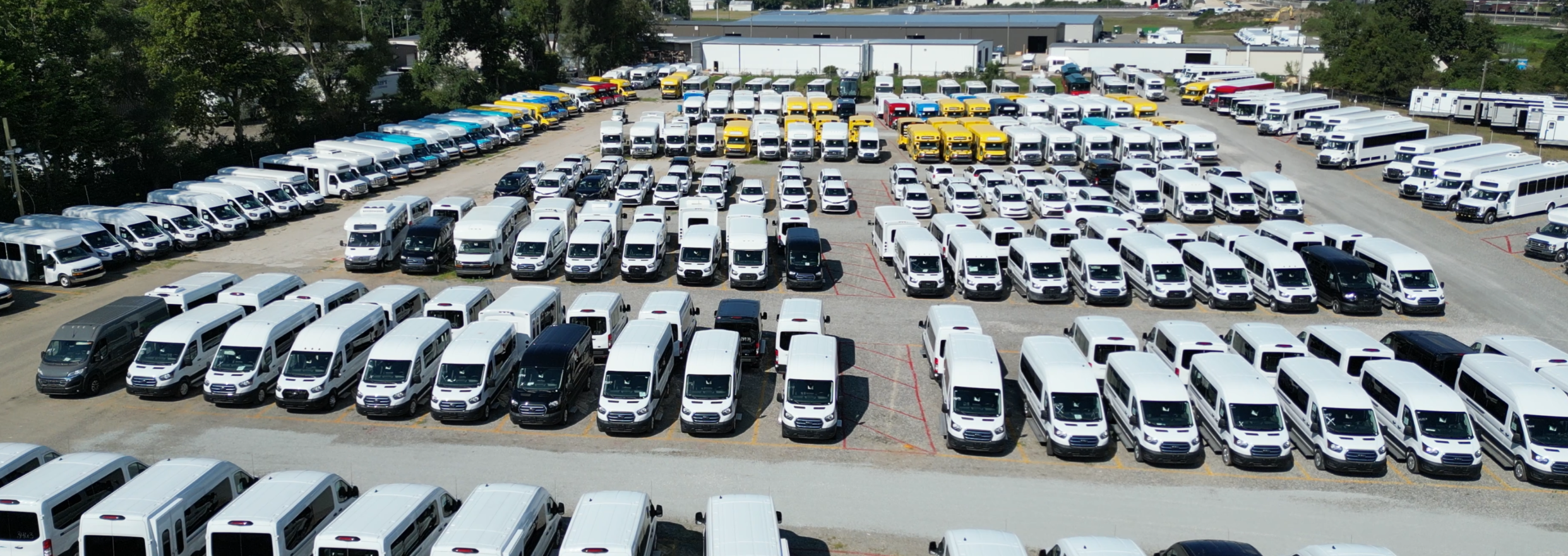
Commercial Vehicle Trends in 2026
Market Momentum & Demand Signals
As 2026 unfolds, replacement demand for commercial trucks remains strong — with new orders accelerating and used-truck values holding steady despite broader economic uncertainty. These signals mean a market that is stabilizing, not slowing.
Key Drivers:
- Tightening freight capacity & rising freight rates
- Continued pent-up replacement demand from prior years
- Fleets prioritizing reliability and uptime amid uncertainty
What’s different in 2026 is how fleets are approaching acquisition. It’s less about timing the market — and more about locking in operational consistency and lifecycle value.
For many operators, that means:
- Investing in late-model assets that reduce maintenance variability
- Standardizing vehicle specs across fleets
- Aligning procurement decisions with service and support capabilities
Service, Data, & Intelligence as Differentiators
Industry analysis shows the competitive edge shifting from hardware to service and data intelligence. Telematics, predictive maintenance, and integrated service models are no longer optional — they are expected.
Fleets are moving away from a transactional mindset and toward performance-based operations.
Strategic “Musts:”
- Integrate AI and connectivity into fleet services
- Offer bundled maintenance + analytics solutions
- Expand digital customer interfaces for uptime transparency
The implication is clear: The asset is no longer the differentiator — the ecosystem around it is. Operators that can proactively manage uptime, visibility, and cost are gaining a measurable advantage in both customer service and profitability.
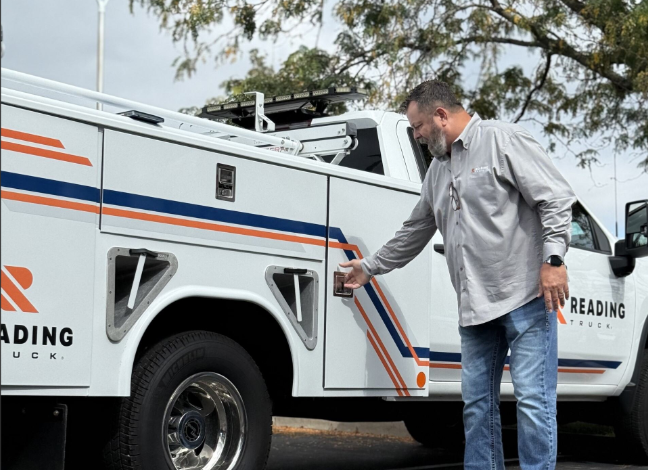
School Transportation Trends in 2026
Policy Adjustments & Alternative Fuel Dialogue
The Clean School Bus Program restructuring in 2026 introduces a broader conversation around alternative fuels — including biofuels, CNG, LNG, and hydrogen — alongside electrification.
This marks a meaningful shift: From a single-solution mandate to a multi-path strategy.
For school districts, this opens the door to:
- More flexible funding alignment
- Solutions tailored to infrastructure realities
- Reduced risk in early-stage electrification adoption
Adoption Trends & Market Growth
Demand across the school transportation segment remains strong, driven by:
- Growing student populations
- Aging fleets requiring replacement
- Continued investment in safety and modernization
However, growth in 2026 is not just about volume — it’s about navigating more complex decisions. Districts are now balancing:
- Vehicle cost vs. infrastructure investment
- Operational reliability vs. sustainability goals
- Short-term funding vs. long-term lifecycle costs
Real-World Fleet Feedback
While electrification remains a long-term priority, real-world adoption is introducing new considerations. Some districts are recalibrating procurement strategies, citing:
- Range limitations in certain geographies
- Charging infrastructure readiness
- Maintenance and technician training gaps
As a result, many fleets are moving toward a blended approach:
- Continuing diesel or propane in the near term
- Piloting electric in controlled use cases
- Exploring alternative fuels as transitional solutions
- Determining where “white fleet” vehicles can replace the traditional “yellow bus”

Public Sector Transportation Trends in 2026
Across federal, state, and local agencies, transportation priorities are evolving beyond infrastructure investment alone.
DIGITAL MODERNIZATION & OPERATIONAL FOCUS
Digital modernization remains a top priority — but in 2026, it’s increasingly tied to outcomes, not just implementation.
Agencies are focusing on:
- Real-time visibility into fleet operations
- Data integration across departments
- Tools that improve responsiveness and service delivery
DATA-DRIVEN DECISION MAKING
Budgeting and planning processes are becoming more data-driven, with increased emphasis on:
- Performance metrics
- Cost transparency
- Resource allocation tied to measurable outcomes
This is influencing how fleets are evaluated and funded — shifting from capital expenditure justification to operational performance justification.
WHAT THIS MEANS FOR PUBLIC FLEETS
For transportation leaders, this creates new expectations:
- Demonstrate ROI beyond acquisition
- Improve uptime and service consistency
- Align fleet strategy with broader community outcomes
In practice, this means public sector fleets are increasingly seeking partners who can provide:
- Lifecycle visibility
- Service accountability
- Scalable, adaptable solutions
Learn how you can do more with co-op purchasing: Model 1 is Sourcewell Approved
What These Transportation Trends Mean for Fleet Strategy
The trends shaping 2026 aren’t isolated — they’re interconnected. Together, they point to a larger shift:
Fleets are moving from asset-based decision making to lifecycle strategy.
That shift can be understood through three lenses:
Acquire. Operate. Sustain.

Acquire: Smarter Inputs Drive Better Outcomes
Fleet strategy is no longer starting at delivery — it starts at specification.
- Alternative fuels beyond EV are expanding viable acquisition pathways, especially where infrastructure or range constraints exist.
- Procurement decisions are increasingly tied to total cost of ownership, not just upfront price.
What this means:
The fleets gaining an advantage in 2026 are aligning vehicle selection with long-term operational realities — before the asset ever hits the road.
Operate: Performance Is Managed, Not Assumed
Once vehicles are deployed, performance is no longer left to chance.
- Telematics & AI are improving safety, compliance, and real-time decision making
- Service-centric contracts are reducing downtime and creating accountability around uptime
This is where the biggest shift is happening.
What this means:
Fleets are moving from reactive maintenance to proactive performance management — using data, service partnerships, and visibility to control outcomes.
Sustain: Long-Term Viability Requires Balance
Sustainability in 2026 is broader than electrification.
- Alternative fuel strategies are helping fleets balance environmental goals with operational feasibility
- Data dashboards and reporting tools — especially in public sector fleets — are enabling better budgeting, transparency, and long-term planning
What this means:
Sustain is about building fleets that are not only compliant, but financially and operationally resilient over time.
Bringing It Together
These trends aren’t independent decisions — they compound.
- What you acquire determines how well you can operate
- How you operate determines what you can realistically sustain
The fleets that lead in 2026 are thinking across all three — not in silos.
One important aspect you might not be considering? Right-Sizing Your Fleet
2026 TRADESHOW INSIGHTS (so FAR)
Across every major industry event this year, one theme has been consistent: Fleets are looking for partners who can support the full lifecycle — not just a transaction.
Where we’ve been:
- Work Truck Week: Strong focus on commercial vehicle demand, uptime, and the shift toward service-driven fleet operations
- Chauffeur Driven: Continued evolution in passenger transport, service expectations, and premium mobility solutions – read more of our show insights here.
Where we’re going:
- STN EXPO Reno (School Transportation): Active, real-world dialogue around electrification challenges, alternative fuels, and district-level decision making
- SWTA (Public Sector): Emphasis on operational accountability, funding alignment, and balancing sustainability goals with infrastructure realities
These conversations reinforce what we’re seeing across the market: Strategy is becoming more integrated, more data-driven, and more lifecycle-focused.
Ready to lead your fleet into what’s next?
Whether you’re evaluating acquisition strategies, optimizing operations, or planning for long-term sustainability, Model 1 helps navigate every phase of the lifecycle. With our partnership, you can:
- Acquire with confidence
- Operate with intelligence
- Sustain with discipline
👉 Connect with Model 1 to start the conversation.
Resources Used to Inform This Article:
- JD Power Values
- Frost & Sullivan
- Sustainable Bus
- Experian
- Data Insights Market
- The Washington Post